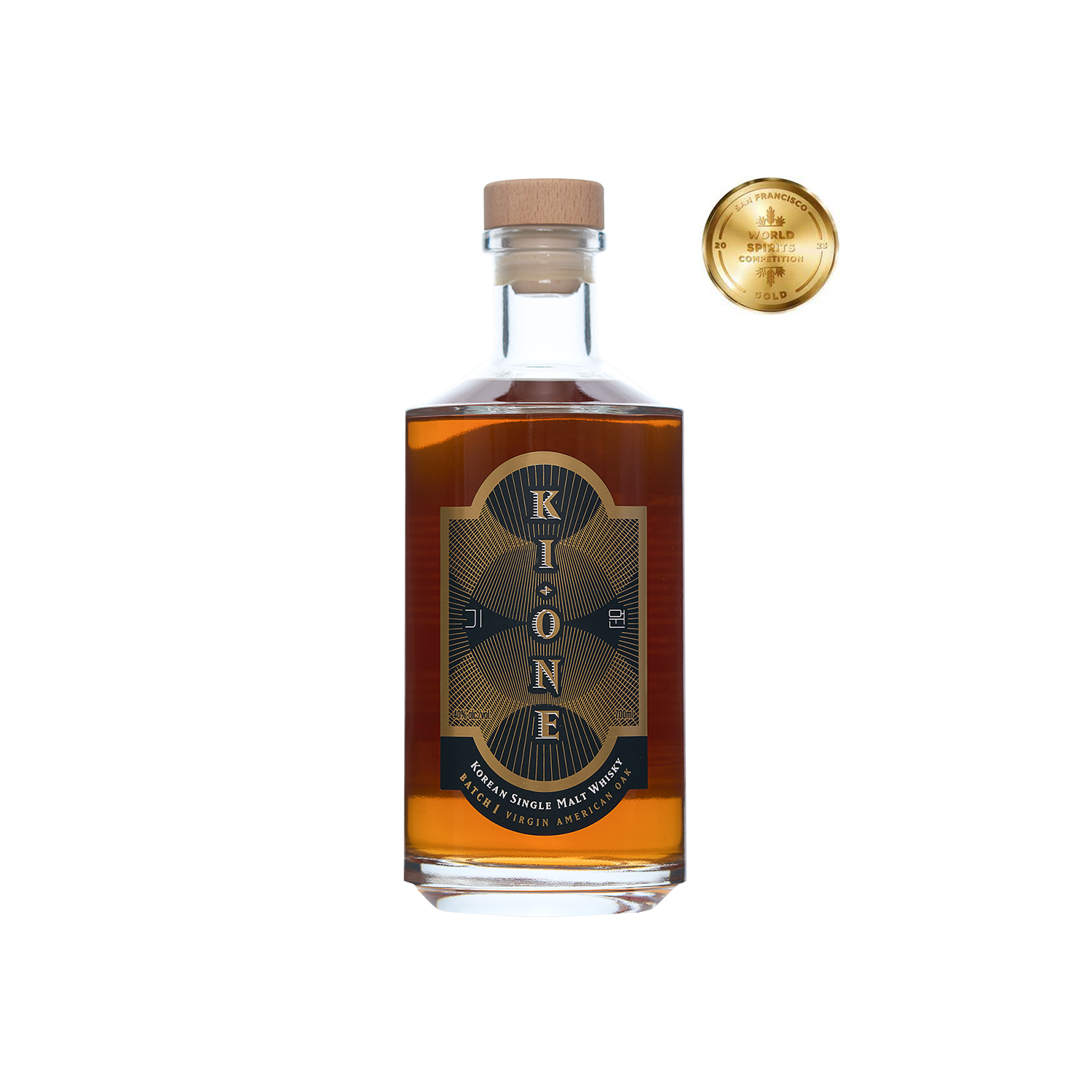
Single Malt Whisky
The liquid art of a single distillery and its unique terroir
What is Single Malt Whisky?
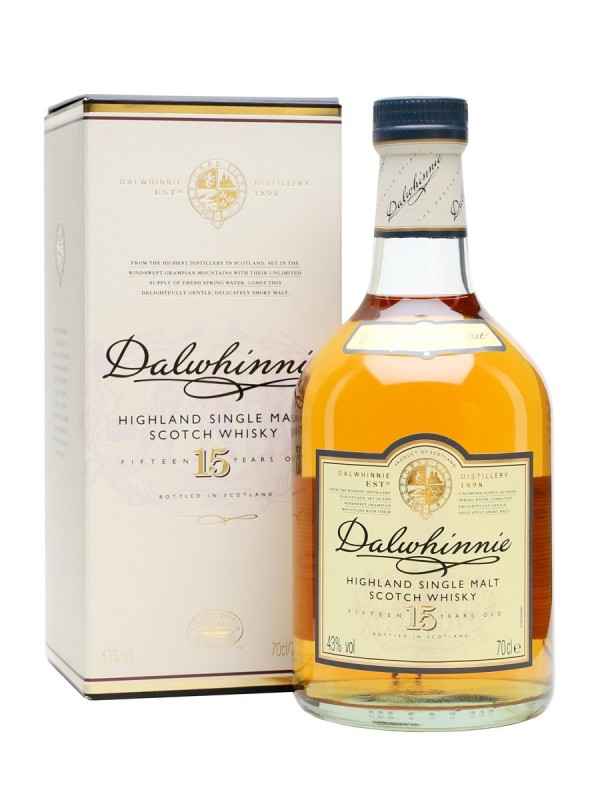
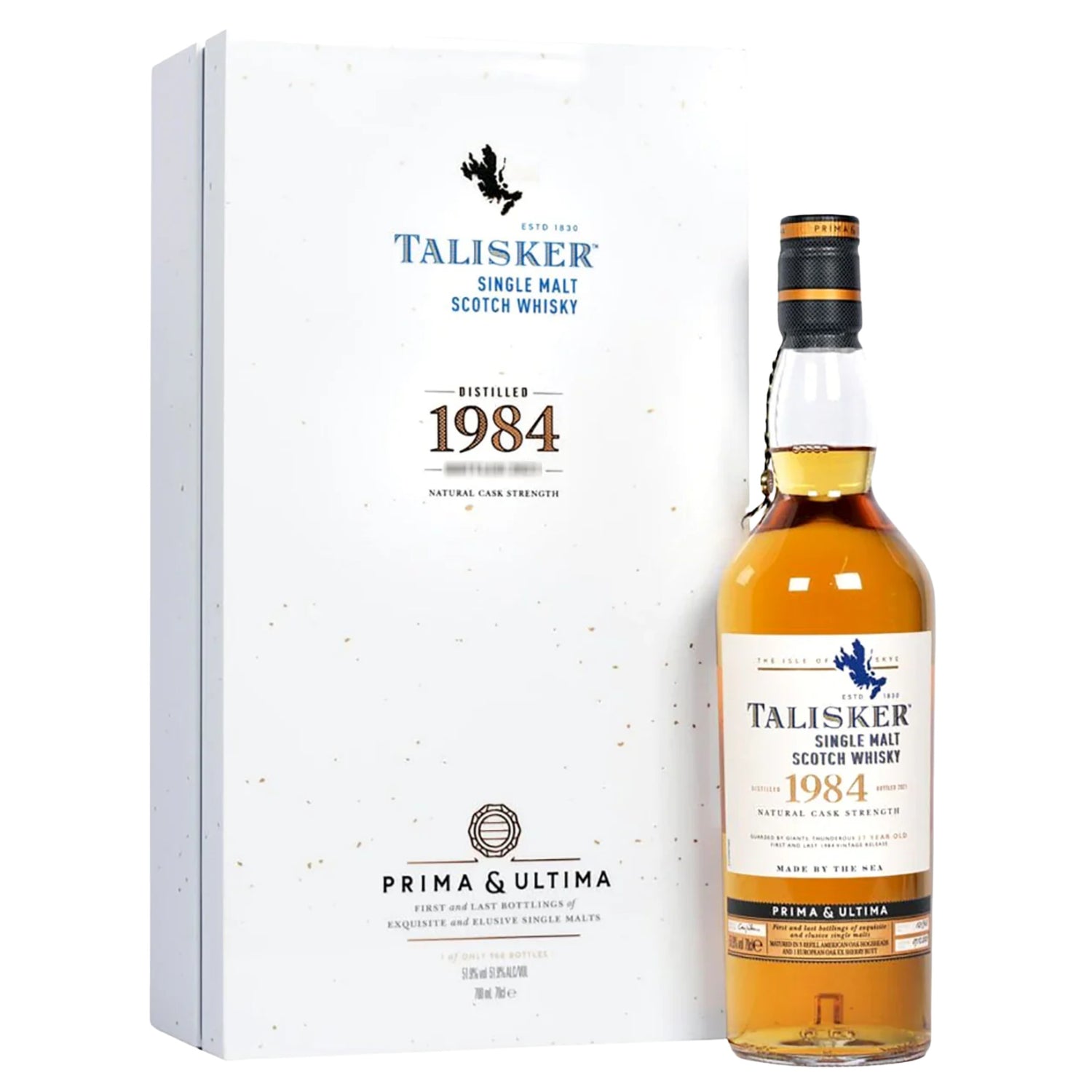
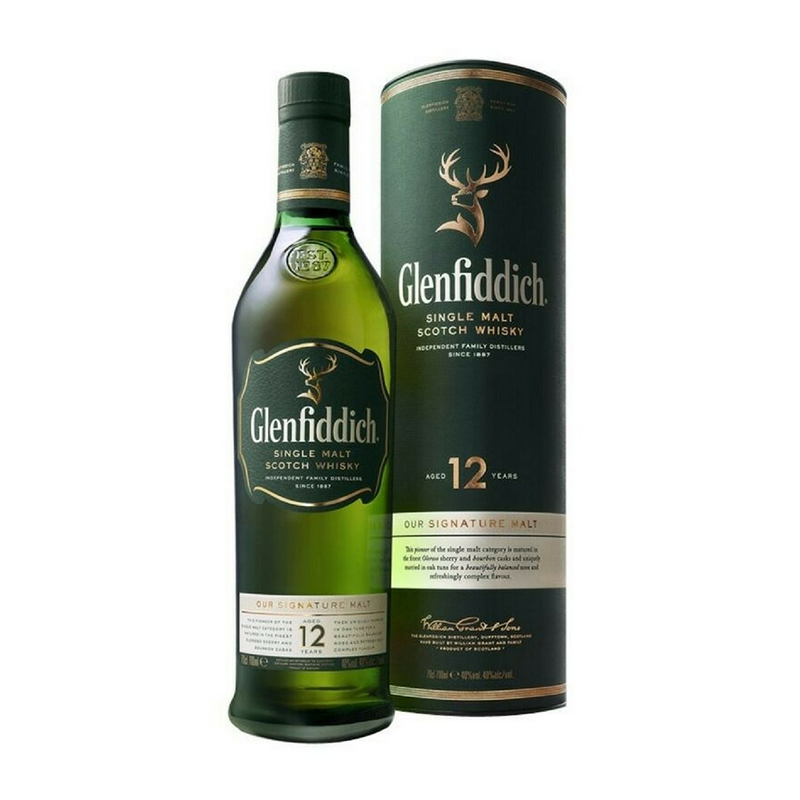
If you're wondering what is single malt whisky made from, the answer is remarkably simple but strictly regulated. Single Malt Whisky refers to whisky produced at a single distillery using exactly three single malt whisky ingredients: 100% malted barley, water, and yeast. The wort is fermented, distilled in copper pot stills, and matured in oak casks. The term 'single' denotes its origin from one distillery, distinguishing it from blended whiskies that combine spirits from multiple sources.
History & Origin
The origins of malt whisky lie in the medieval distillation traditions of Scotland and Ireland, evolving into its modern form through the establishment of taxation, licensing, and refining of distillation techniques in the 18th and 19th centuries. Since the 1960s, distilleries began marketing their brands under the 'Single Malt' identity, growing into a premium category defined by cask experimentation, high-proof bottlings, and single-cask diversity.
Types & Classification
What is Single Malt Scotch Whisky?
Produced at a single Scottish distillery from 100% malted barley; distilled in pot stills; matured in oak (max 700L) for at least 3 years in Scotland; bottled at minimum 40% ABV.The global benchmark. It must legally be distilled and matured in Scotland, with no additives allowed except for plain caramel coloring. Profiles vary by region—Speyside, Highland, Islay—each defined by its water and climate.
What is Cask Strength (CS)?
Bottled directly from the cask without water dilution (Proofing), typically ranging from 52% to 65% ABV.Offers the most undiluted and concentrated experience of the spirit. It carries a rich density of wood-derived esters and essential oils, allowing enthusiasts to 'open' the profile with a few drops of water.
What is Single Cask (Single Barrel)?
Bottled from one individual cask without any vatting or blending with other barrels from the same distillery.A highly collectible category preserving the 'unique masterpiece' of a specific cask. Factors like warehouse location and wood grain create a profile that can never be replicated once the cask is empty.
What is Peated Whisky?
Malted barley is dried over peat fires to infuse smoke and phenolic compounds, measured in PPM (Phenol Parts Per Million).Known for intense smoky, medicinal, and briny notes. Depending on the distillation cut, the flavor can range from heavy, bacon-like smoke to delicate, floral ash.
What is Cask Finish?
A spirit is moved to a secondary cask type (Sherry, Wine, Rum, etc.) for a final period of maturation.Expands the flavor profile by layering residual aromas from the previous contents. A delicate process used to add unique character over a short duration.
Sensory Metrics
- ABV Level40~46% (Standard) / 52~65% (CS)
What is Strength (ABV)?
The legal minimum is 40% ABV. Many premium malts are bottled at 46% or higher to avoid chill-filtration, as higher alcohol content keeps flavorful oils in suspension and enhances aromatic volatility.
- Peatiness0 (Unpeated) ~ 50+ (Heavy Peat)
What is Peat Smoke (PPM)?
PPM (Phenol Parts Per Million) measures the phenol content in the malted barley. While 30+ is considered 'heavy peat,' the perceived smokiness depends on the distillation cut and maturation period.
- Age (Years)NAS / 10~18 Years / 21+ Years
What is Age Statement?
The stated age represents the youngest whisky in the bottle. 'NAS' (Non-Age Statement) expressions focus on cask character and flavor profile rather than just time, becoming a significant part of the premium market.
- Cask TypeFirst-fill / Refill
What is Cask Influence?
First-fill casks impart bold vanilla and spice, while refill casks allow the distillery’s core fruity 'New Make' character to shine through more cleanly with less wood interference.
Flavor Profile
Core Ingredients
Malted Barley
The crown jewel of single malt whisky ingredients. 100% barley creates a foundation of biscuit, cereal, and nutty notes. The specific grain variety and malting method are critical to the spirit's body.
Yeast & Brewing Water
When asked what is single malt whisky made from, pure water and yeast are the essential drivers of flavor. Yeast creates fruity esters, while water minerality defines the final mouthfeel.
Oak Casks
Imparts vanillin, lactones, and tannins. Previous contents (Bourbon, Sherry, Port) dictate the secondary flavor layers and the whiskey's natural hue.
Production Method
Malting & Kilning
Barley is steeped and germinated to activate enzymes, then dried. Using peat during kilning infuses the malt with smoky compounds.
Extraction & Fermentation
Sugars are extracted from the ground malt (Grist) into a liquid (Wort), which is then fermented with yeast for 48-100 hours to create a beer-like 'Wash.'
Pot Still Distillation
Distilled twice in copper stills. The first distillation (Wash Still) increases alcohol, and the second (Spirit Still) carefully separates the 'Hearts' for aging.
Aging & Vatting
The spirit spends at least 3 years in oak. The Master Blender then combines (vats) selected casks to maintain the consistent house style before bottling.
Serving Guidelines
Optimal Temperatures:
The balance between fruity aromas and oak flavors is most prominent, clearly revealing stylistic differences.
Reduces alcohol sting and 'unlocks' delicate floral and honey notes, enhancing complexity.
Recommended Methods:
The gold standard: enjoy the nose first, then take a small sip to feel the texture and finish across the entire palate.
Dropping a few drops of room-temp water breaks the surface tension, causing hidden esters to bloom explosively.
Mixed with ice and soda water (1:3). A refreshing way to enjoy the malt's nuttiness and citrus notes, great with meals.
Pouring over a large ice sphere mellows the alcohol heat and emphasizes soft sweetness and a heavy texture.

🗺️ Regional Deep Dive
🗺️ Explore Scotland's 5 Whisky Regions →
Food Pairing
Frequently Asked Questions
Q.What is the difference between single malt and blended whisky?
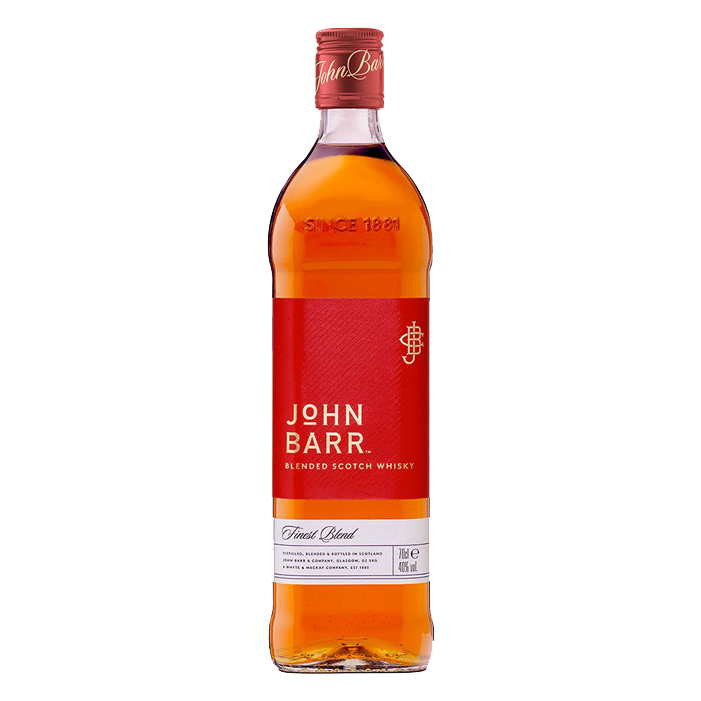
A.A single malt is made entirely from malted barley at one specific distillery. A blended whisky combines malt whiskies from multiple distilleries with cheaper grain whiskies (like corn or wheat) to create a smoother, more consistent, and mass-market appealing flavor.
Q.What does 'peat' or 'peated' mean in single malt?
A.Peat is partially decayed vegetation found in bogs. In some regions like Islay, distilleries burn peat to dry the malted barley. The aromatic smoke infuses the barley with phenols, giving the final whisky its distinctive smoky, medicinal, or campfire-like flavor.
Q.Does an older age statement mean a better whisky?
A.Not necessarily. While older age statements (18+ years) extract more complex wood sugars, vanilla, and tannins from the cask making them smoother, younger whiskies (10-15 years) often showcase the distillery's vibrant core characteristics like fresh fruit, floral notes, or intense smoke much better.