Scotch Whisky Regions Guide
Explore the distinct character of Scotland's 5 whisky-producing regions and their iconic distilleries
What is Scotch Whisky Regions Guide?
The flavor of Scotch Whisky is not determined solely by age statements or cask types. The region of Scotland where a distillery is located — its climate, water source, air, and peat — is the most fundamental variable shaping a bottle's identity. Legally, Scotch Whisky is classified into five principal producing regions, each possessing a unique "Terroir."
History & Origin
The regional classification of Scotch Whisky traces its roots to 1784 administrative tax boundaries. Following the landmark Excise Act of 1823, which legalized distillation on a commercial scale, individual distilleries in each region developed their own distinct styles. Today, the Scotch Whisky Association (SWA) officially recognizes five regions: Highland, Speyside, Lowland, Islay, and Campbeltown.
Types & Classification
What is Speyside?
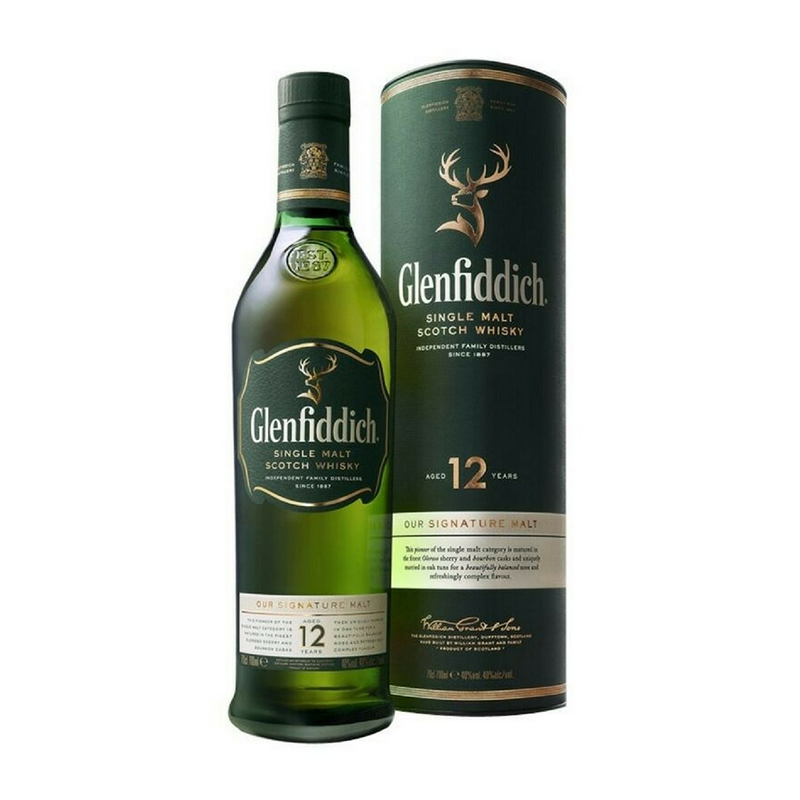
Located in northeastern Scotland along the River Spey | Accounts for approximately 60% of all Scotch production | Key Distilleries: Glenfiddich, Macallan, The Glenlivet, Balvenie, GlenfarclasThe world's most densely concentrated whisky-producing region, responsible for over half of all single malt Scotch. The soft, mineral-rich waters of the River Spey and a predominant use of Sherry casks define its signature: rich dried fruit, dark chocolate, orange peel, and honey. Styles range from the heavy sherry bombs of Macallan and Glenfarclas to the lighter, floral elegance of The Glenlivet.
Sherry/Dried FruitHoney/VanillaApple/PearOak/SpiceWhat is Highland?
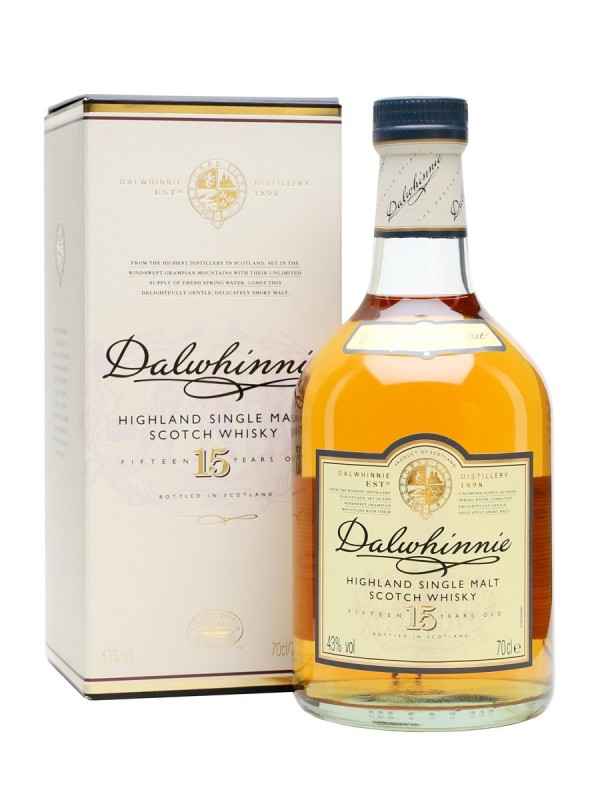
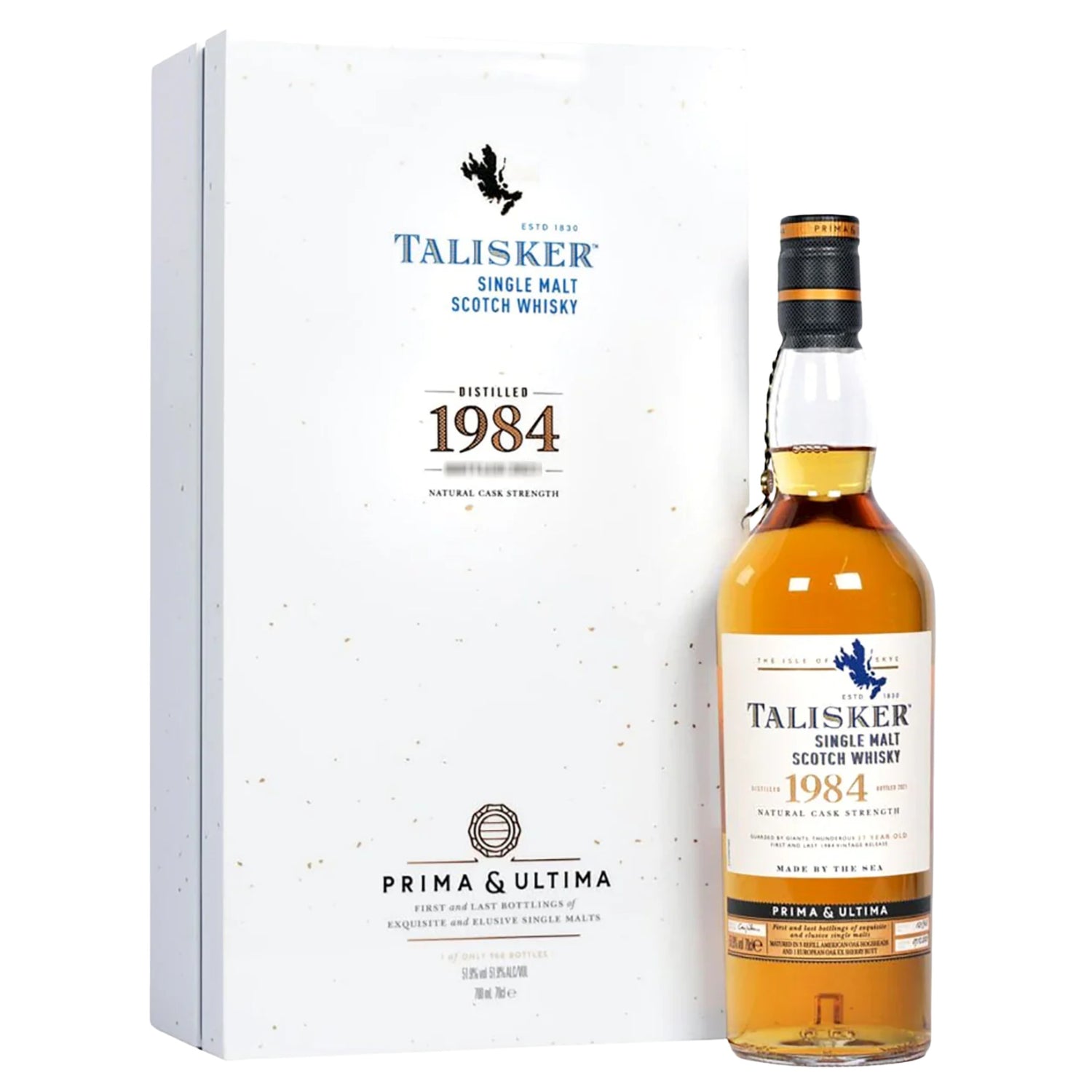
The largest whisky region; encompasses most of northern and central Scotland | Key Distilleries: Glenmorangie, Dalmore, Oban (Coastal), Edradour, Talisker (Isle of Skye, often associated)The most geographically diverse region, making a single "Highland style" nearly impossible to define. The north favors honey and heather, the east leans toward fruit and spice, coastal Highland distilleries carry a briny, maritime quality with light peat, and the central Highlands produce richer, more caramel-driven expressions. This diversity is its greatest strength and a treasure for whisky explorers.
Honey/HeatherFruit/SpiceSea Breeze/BrineCaramel/OakWhat is Islay?
A small island off the west coast of Scotland | Highest distillery density per square kilometer | Key Distilleries: Ardbeg, Lagavulin, Laphroaig, Bowmore, Bruichladdich, KilchomanThe most iconic and intensely flavored region in whisky. Vast peat bogs along the coastline and centuries of tradition mean most Islay expressions carry powerful, distinctive smoke. The peat is laced with seaweed and organic coastal matter, producing a unique "maritime smoke" of iodine, brine, and tar. Beneath the smoke lies a surprising complexity of lemon, vanilla, and briny fruit. Entry-level to Islay: Bowmore 12. The deep end: Ardbeg or Laphroaig 10.
Peat/SmokyCoastal/IodineTar/MedicinalLemon/Fruit (Underlying)What is Lowland?
The southern lowlands of Scotland | Traditionally triple-distilled | Key Distilleries: Auchentoshan, Glenkinchie, Ailsa BayThe gentlest and most approachable of the Scotch regions, often compared to Irish whiskey in style. Triple distillation (a rarity in Scotland, common in Ireland) produces an exceptionally clean and light distillate with minimal fusel oils. No peat is used. The resulting expressions are delicate, creamy, and floral — showcasing elderflower, vanilla, lemon curd, and light cereal notes. Highly recommended as a gateway whisky.
Cream/ButterWildflower/HerbalLemon/CitrusLight OakWhat is Campbeltown?
A small harbor town at the southern tip of the Kintyre Peninsula | Once home to 30+ distilleries; the "Whisky Capital of the World" | Surviving Distilleries: Springbank, Glengyle (Kilkerran), Glen ScotiaA once-booming town brought to near extinction by Prohibition-era economic collapse. Only three distilleries carry the flame today, yet Campbeltown retains its own official GI (Geographical Indication). Its style is unmistakable: a distinct sulfurous note, oily and viscous texture, briny coastal character, and a medium peat presence that gives a complex, rugged profile. Springbank in particular is revered globally as one of the most characterful and collectible distilleries in existence.
Sulfurous/OilyBrine/Sea AirFruit/SpiceFull Body
Sensory Metrics
- Smokiness0 (Lowland) to 50+ PPM (Islay)
What is Peat Level (PPM)?
PPM (Phenol Parts Per Million) measures phenol content — the primary driver of smokiness. Speyside and Lowland are typically 0–5 PPM, Highland varies widely from 1–20 PPM, while Islay expressions range from 25 to 55+ PPM.
- MouthfeelLight (Lowland) → Full (Islay / Campbeltown)
What is Body?
Triple distillation in the Lowland removes most oils for a light, clean spirit. The harsh maritime climate of Islay and Campbeltown's aging traditions build a rich, oily, full-bodied character that coats the palate.
- Cask PreferenceBourbon (Highland) / Sherry (Speyside)
What is Preferred Cask Style?
Speyside distilleries favor the sweetness and fruit of Sherry casks. Highland and Islay distilleries predominantly use ex-Bourbon barrels, letting the distillery's own character shine rather than heavy wood influence.
Flavor Profile
Core Ingredients
Scottish Malted Barley
By law, all Scotch Whisky must be produced from cereals grown in Scotland. The malting and kilning method — specifically whether peat is burned during drying — is the first point of divergence between regional styles.
Peat (Islay / Campbeltown)
Millennia of accumulated organic matter burns to release phenolic smoke that bonds to the malt. Islay peat is rich in coastal, seaweed-laden matter, producing unique iodine and brine characters. Inland peat (from the Highlands) creates a drier, earthier smoke.
Terroir Water
The mineral-rich soft water of the River Spey, the granite mountain spring water of the Highlands, and the peat-filtered water of Islay all create chemically different distillates. This is the purest material expression of Scottish terroir.
Production Method
Regional Peat Kilning
Using local Islay, Highland, or no peat to dry the malt is the first major stylistic fork in the road between regions.
Still Shape & Cut Point
The shape of the pot still's neck dramatically affects character. Tall, lanky stills (Glenmorangie) produce lighter, more floral spirits. Short, squat stills (Lagavulin) yield heavier, oilier distillates.
Coastal Warehouse Environment
Coastal warehouses (dunnage-style) expose maturing whisky to humid, salty sea air, subtly infusing the spirit over years. Highland inland warehouses offer a drier, more controlled environment for a slower, more refined maturation.
Serving Guidelines
Optimal Temperatures:
The most revealing way to distinguish the dramatic regional differences in aroma and texture.
A few drops opens up fruit notes hidden beneath Islay's peat and reveals the delicate florals of Speyside.
Recommended Methods:
Taste a Speyside 12 (e.g., Glenlivet) alongside an Islay 12 (e.g., Bowmore) side by side for a dramatic, revelatory experience of terroir-driven flavor difference.
① Lowland (creamy, light) → ② Highland (balanced, diverse) → ③ Speyside (sweet, fruity) → ④ Campbeltown (oily, complex) → ⑤ Islay (peated, smoky). This systematic journey builds a complete taste map of Scotland.
Return to Base Spirit
← Back to Single Malt Whisky Wiki