Soju Guide
The ultimate guide to Korean Soju: from green bottles to premium craft
What is Soju Guide?
Soju is generally categorized into two types: the ubiquitous 'diluted soju' in green bottles, and 'distilled soju' crafted from grains and aged for depth.
History & Origin
Originating as traditional distilled spirits introduced from the Mongols during the Goryeo Dynasty, soju evolved into mass-market diluted versions during 20th-century grain shortages. Today, premium distilled soju is experiencing a modern revival.
Types & Classification
What is Diluted Soju (Green Bottle)?
Produced by diluting 95% pure ethanol with water and sweeteners.Clean, light-bodied, and highly affordable. It is a cultural staple designed to pair with spicy and greasy Korean foods.
What is Distilled Soju (Premium/Traditional)?
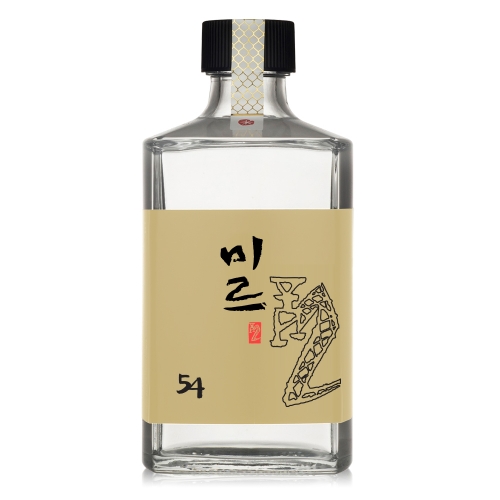
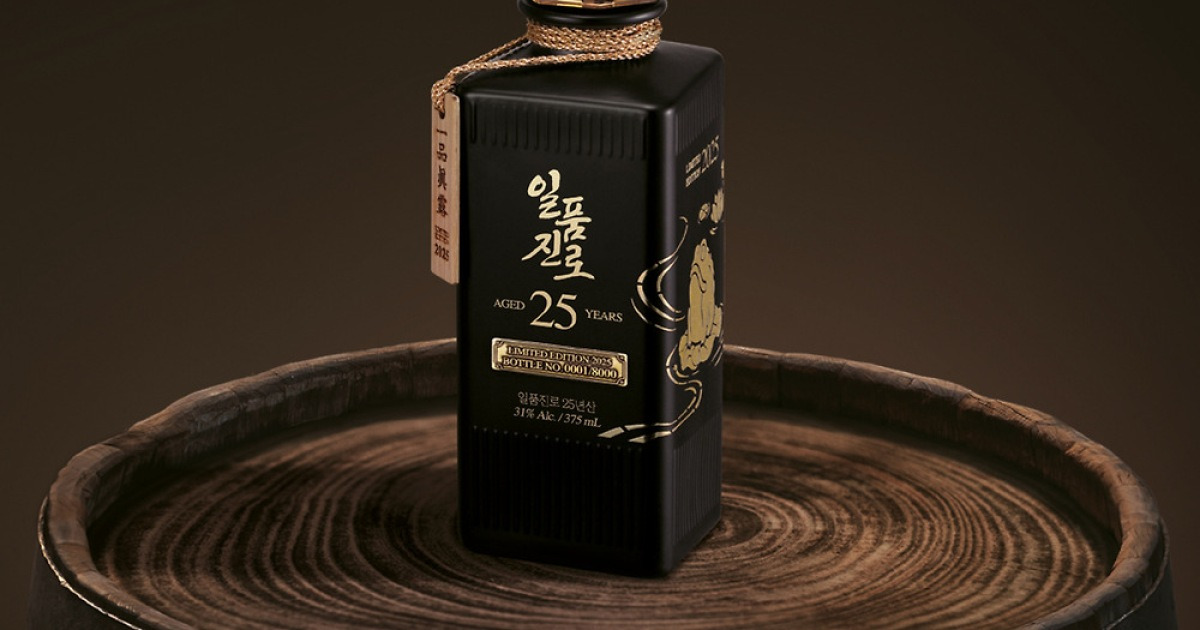
Crafted by fermenting and distilling grains in a pot still.Retains the rich, earthy flavors of the base ingredients. Offers a smooth, complex profile with varying ABV levels from 20% to over 50%.
Sensory Metrics
- ABV Range16% ~ 53%
What is Strength and Flavor?
Lower ABV diluted versions emphasize refreshment, while high-proof distilled versions focus on aromatic complexity.
Flavor Profile
Core Ingredients
Tapioca/Grain (Diluted) vs Rice/Grain (Distilled)
Diluted soju uses high-yield starch sources for purity; distilled soju highlights the terroir and quality of local grains.
Production Method
Continuous vs Pot Still
Continuous stills produce high-purity neutral spirits, while traditional pot stills precisely capture the character of the raw ingredients.
Serving Guidelines
Optimal Temperatures:
Best for diluted soju to minimize alcohol burn and maximize crispness.
Ideal for premium distilled soju to allow complex aromas to unfurl.
Recommended Methods:
Enjoy chilled neat with meals, on the rocks in the evening, or as a refreshing highball with soda water.